
Laura Josephine O’Brien (b. 1991) is an editor, writer, researcher, and educator. Currently, she is working as a Project Consultant in Customer Education at Kodiak Hub, and editor-in-chief for Fanfaretti Magazine. Previously, she was a copyeditor for Numéro Netherlands.
She holds a Ph.D in architectural history from McGill University and a Master’s in Art History from Concordia University, both in Montreal, Canada. Keep scrolling for an overview of her editorial work and academic writing.

Numéro Netherlands # 11, ODYSSEY
I copyedited and proofread issue 11 of Numéro Netherlands, titled ODYSSEY. The scope of my work included, but was not limited to editing for clarity, fact-checking, correcting grammatical errors, punctuation, spelling, consistency, syntax, and ensuring text flow.
Numéro Netherlands # 11, ODYSSEY, October 2024
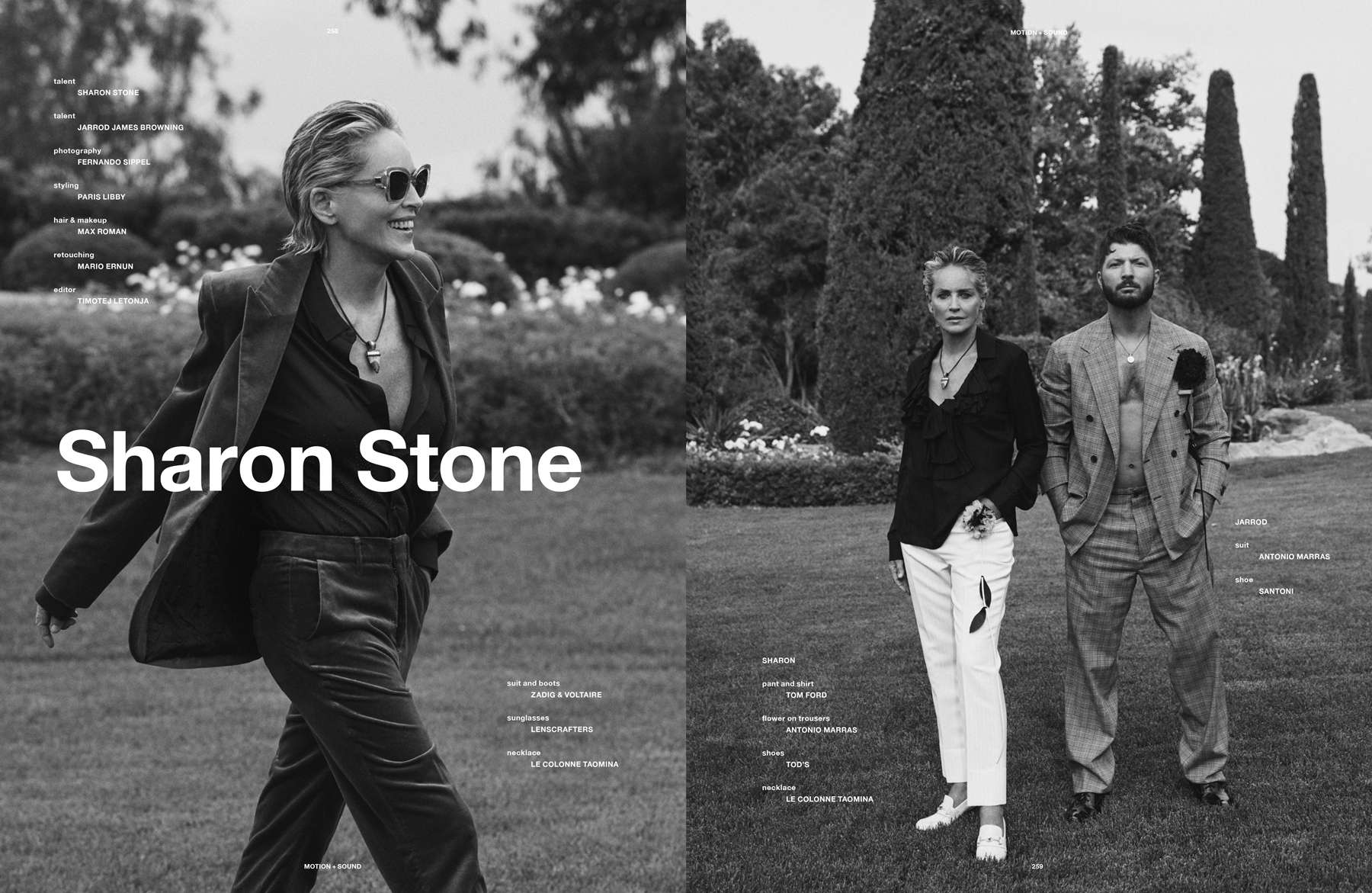
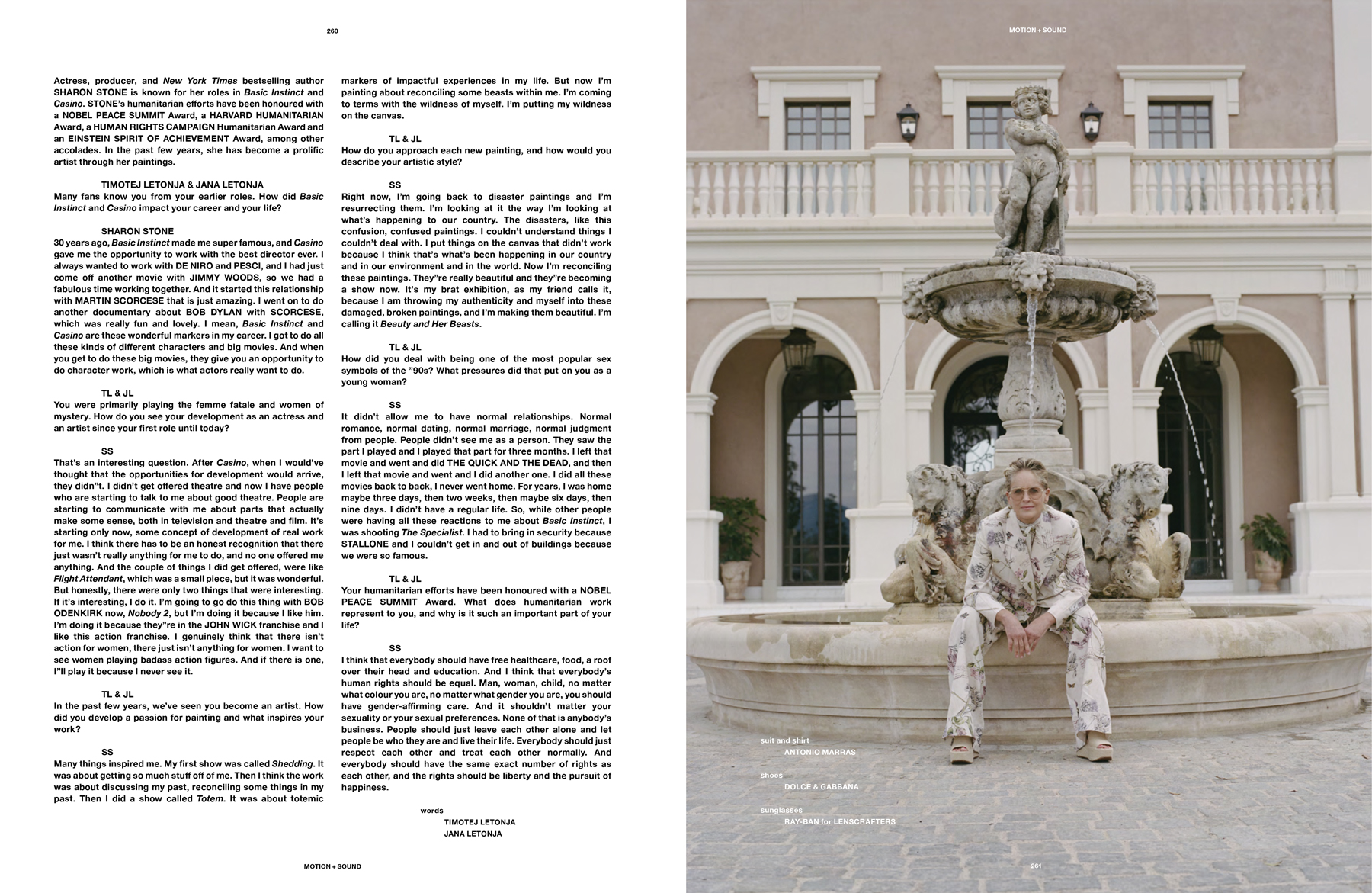
Interview by Timotej & Jana Letonja. Copyediting and proofreading by me.
RAE Blooms Interview
Fanfaretti Magazine # 1, Localism, 2024
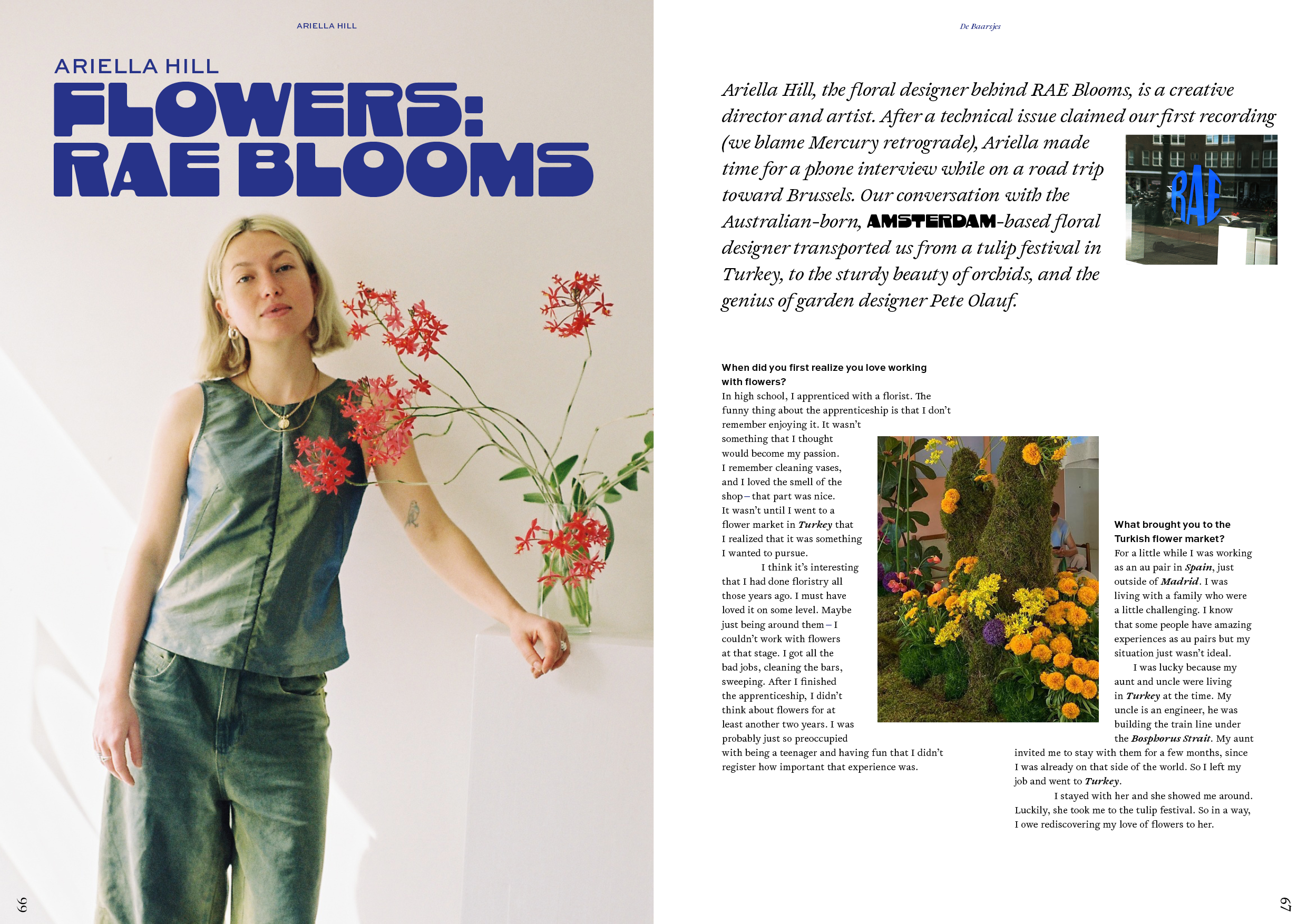

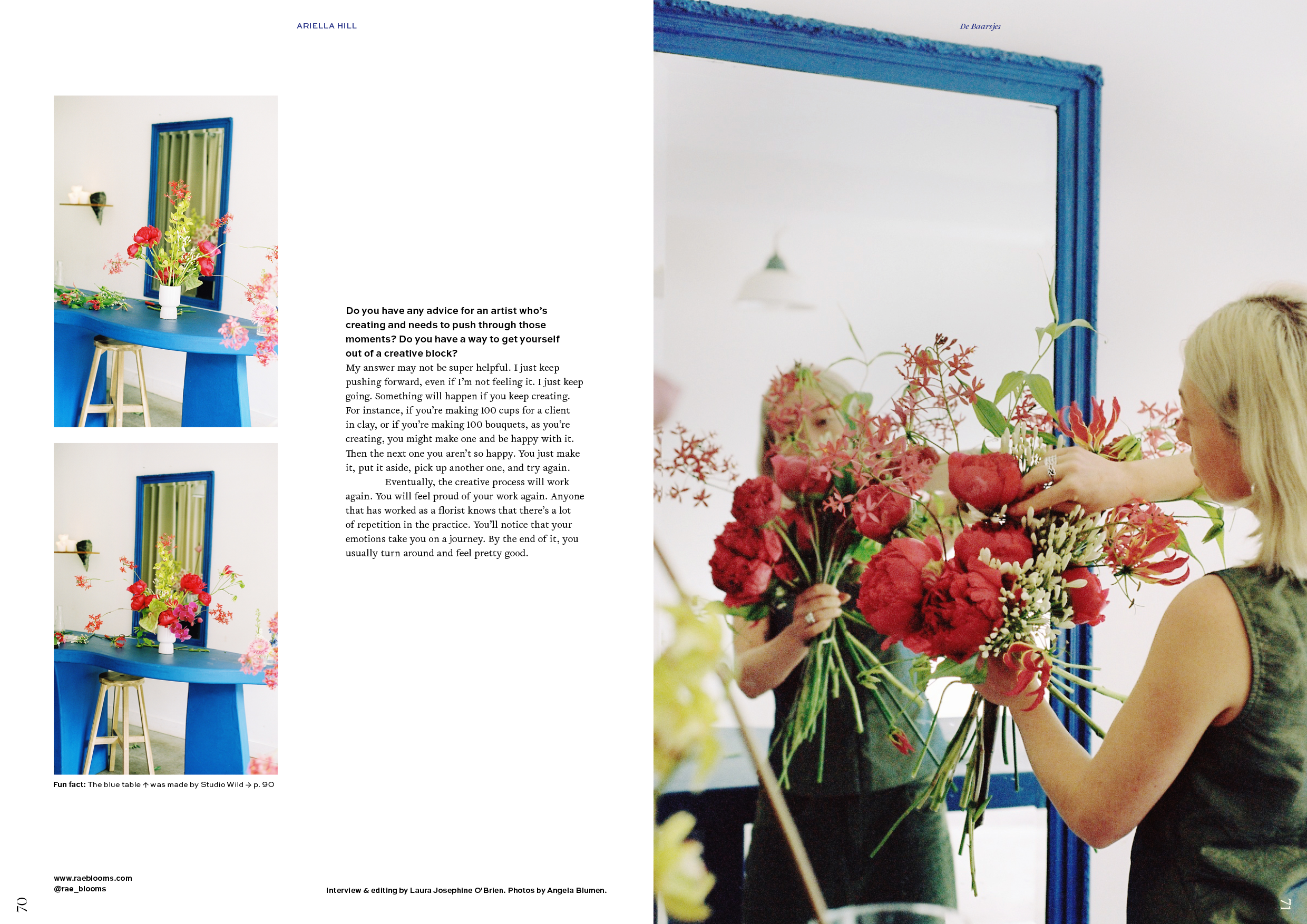
Floral installations & bouquet by Ariella Hill. Custom font (title and select words) by Jolana Sýkorová. Introductory text, interview & copyediting by me.
Studio Wild Interview
Fanfaretti Magazine # 1, Localism, 2024
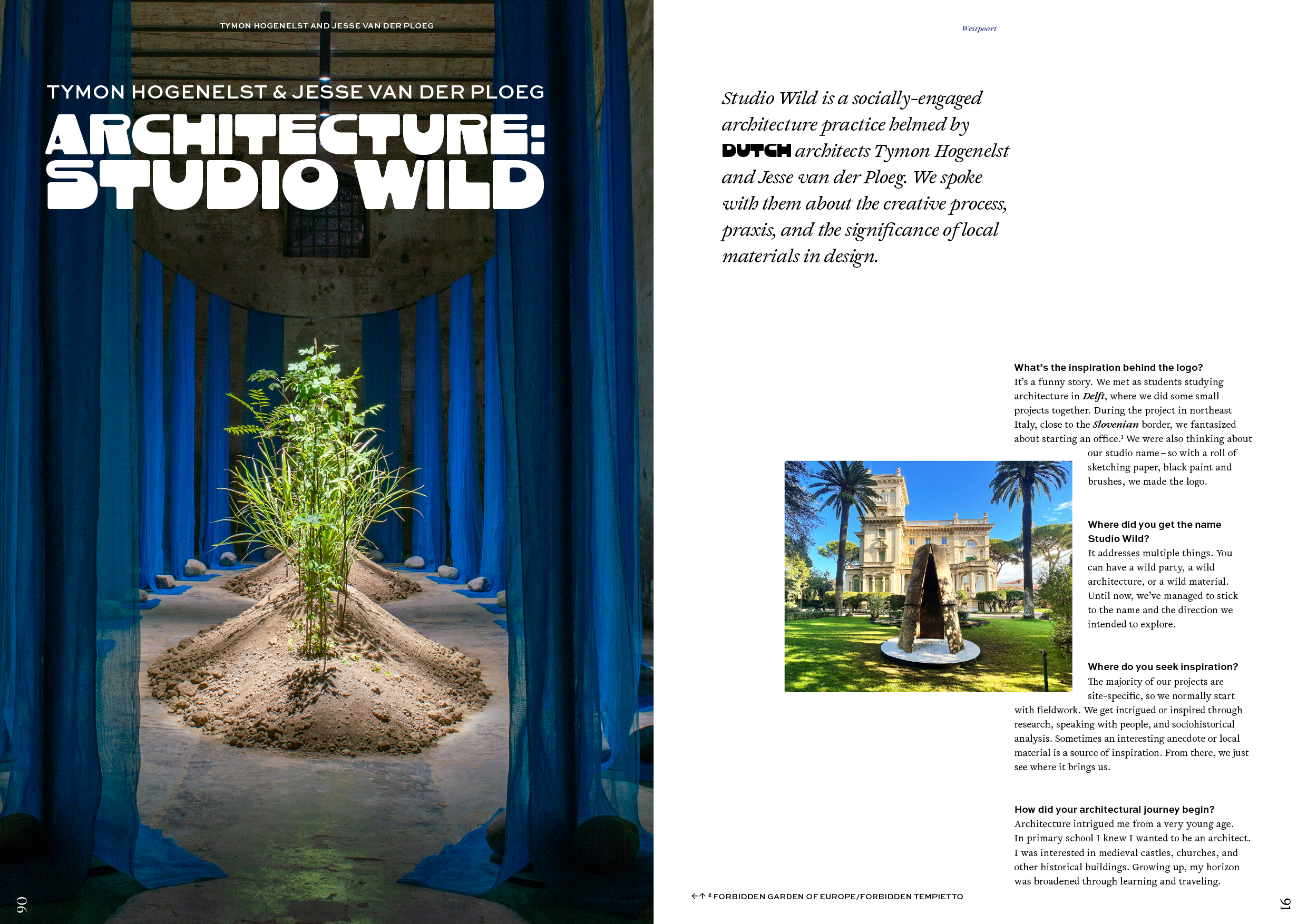
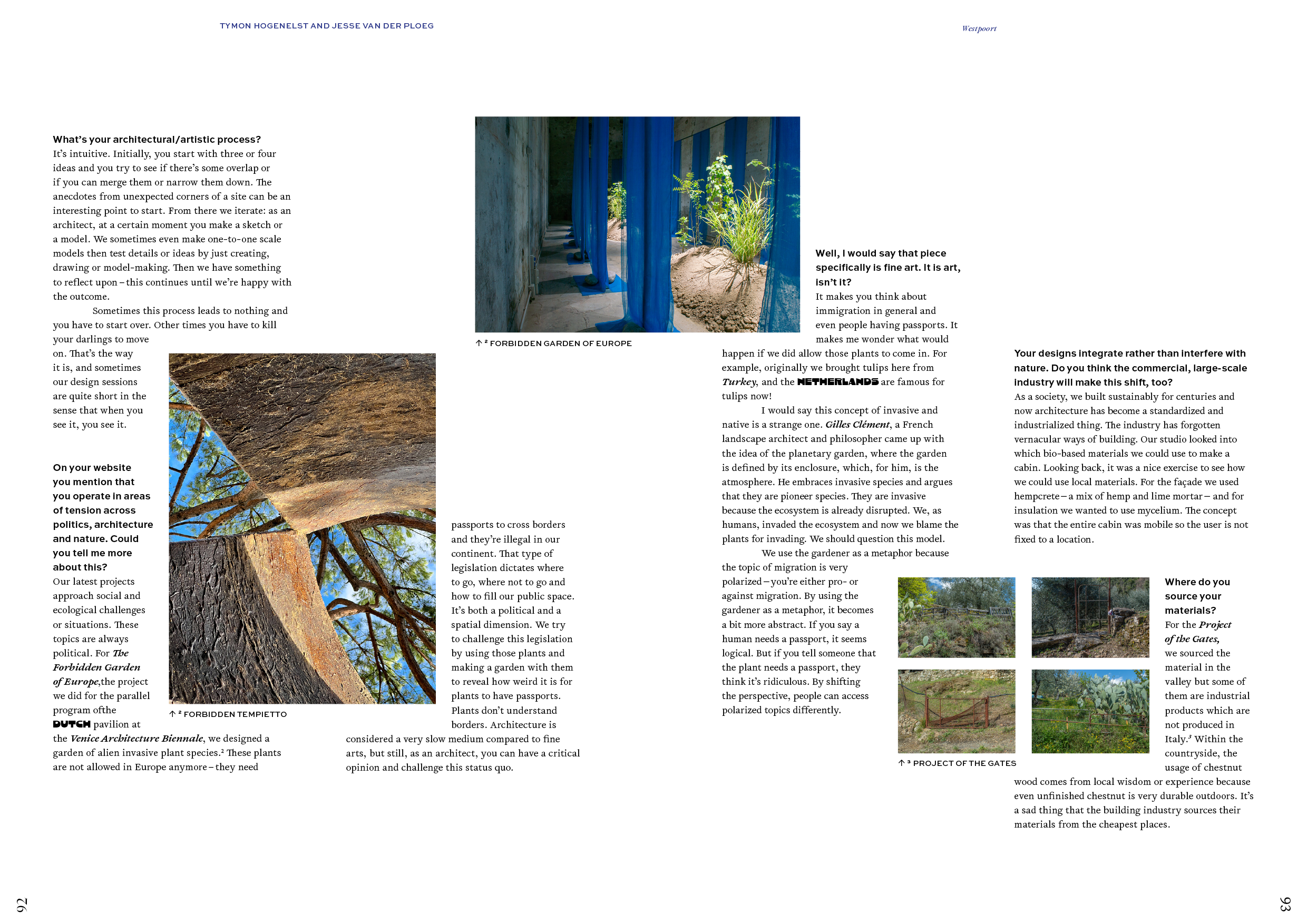

Editing and formatting of interview with the Amsterdam-based architecture Studio Wild. Custom font (title and select words) by Jolana Sýkorová. Introductory text & copyediting by me.
The Montreal Sheltering Home
Dissertation, supervisor Annmarie Adams, 2023
My dissertation spun an architectural history from a single object — a 19th century register kept by the matron of a woman’s shelter in Montreal, Quebec, Canada. I opened each chapter with a short essay that situated a woman from the register in a building to explore her relationship to space — why was she there? What did she see? What choices may she have made? I combined a form of experimental writing with site-specific architectural research to produce a gendered counter-narrative narrative of industrializing Montreal.
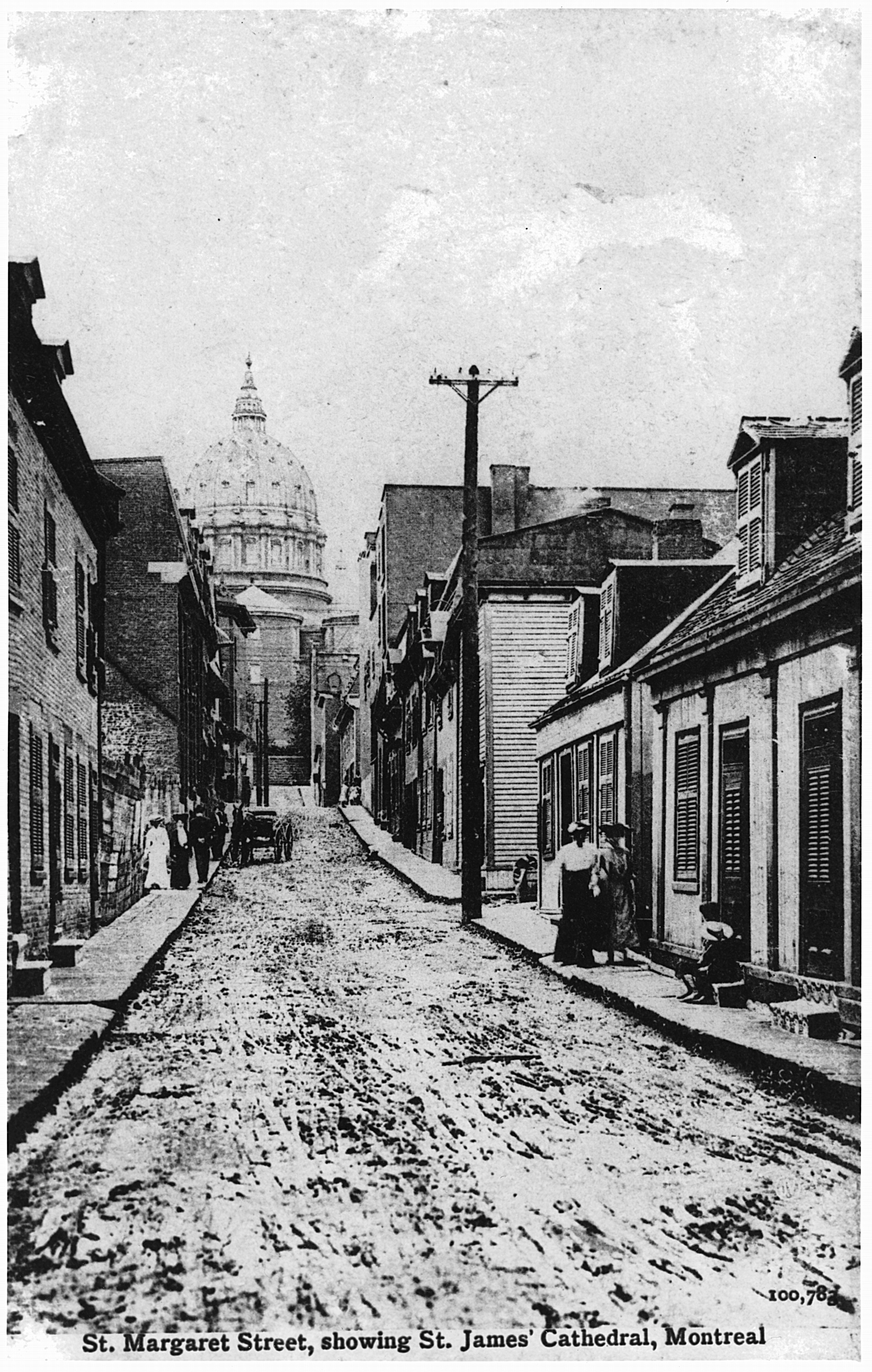
St. Margaret Street, Montreal, QC. ca 1910. Collotype, 13.6 x 8.8 cm. Documentary Objects – Graphic Documents. McCord Stewart Museum Archives. Public Domain.
O’Brien, Laura Josephine. “The Montreal Sheltering Home: Registering Architecture, Gender, and Class in Montreal, 1870-1910.” Doctor of Philosophy, McGill University, Peter Fu School of Architecture, Department of Engineering, 2023.
The Montreal Sheltering Home: Registering Architecture, Gender, and Class in Montreal, 1870-1910
At midday on 26 April 1896, Charlotte Millicent disembarked her train car and stepped onto the platform at Windsor Station in Montreal, Quebec, Canada. The steam and smoke from the locomotive hung in the air, giving the atmosphere a hazy quality under the diffused light of the pitched train shed roof. As she passed the conductor, Millicent asked him how to reach Lagauchetière Street. He instructed her to take the hallway to the far left of the general waiting room, out of the main exit onto Osborne Street, turn right, and cross Windsor Street toward Lagauchtière Street. Millicent passed through a set of doors and found herself in a cavernous room with high ceilings, hardwood floors and rhythmic archways supported by six ornate polished granite columns. She followed the flow of well-dressed passengers through a corridor to the left. Millicent was struck by the sudden change from a wide open space to a narrow corridor.
Through a wide archway on her right was the ladies’ waiting room, which contained a fireplace framed by ceramic tile, and emitted a warm glow. Women dressed in hats, satin and furs sat on wooden chairs with plush leather seats at carved wooden tables. Some women cast their eyes up at Millicent as she walked past, over their novels and embroidery projects. The sound and aroma of the crackling fire gave way to damp air that smelled like wet stone and horse droppings. As Millicent exited the station through the archway onto Osborne Street, she locked eyes with the stare of a small face, its visage twisted into a grin, nestled among oak leaves, carved into the decorative column of the archway. Millicent reoriented herself, crossed Windsor Street, then Cathedral Street, and headed down Lagauchetière Street toward the Montreal Sheltering Home.
Strengthening Their Hands
Peer-reviewed journal article — JSSAC special issue, Women and Architecture, 2019
This essay was a material and spatial exploration of an important node in the 19th-century landscape of women’s poor relief in Montreal — the Montreal Maternity Hospital. Many thanks to Tanya Southcott and Michael Windover, editors for this special issue.
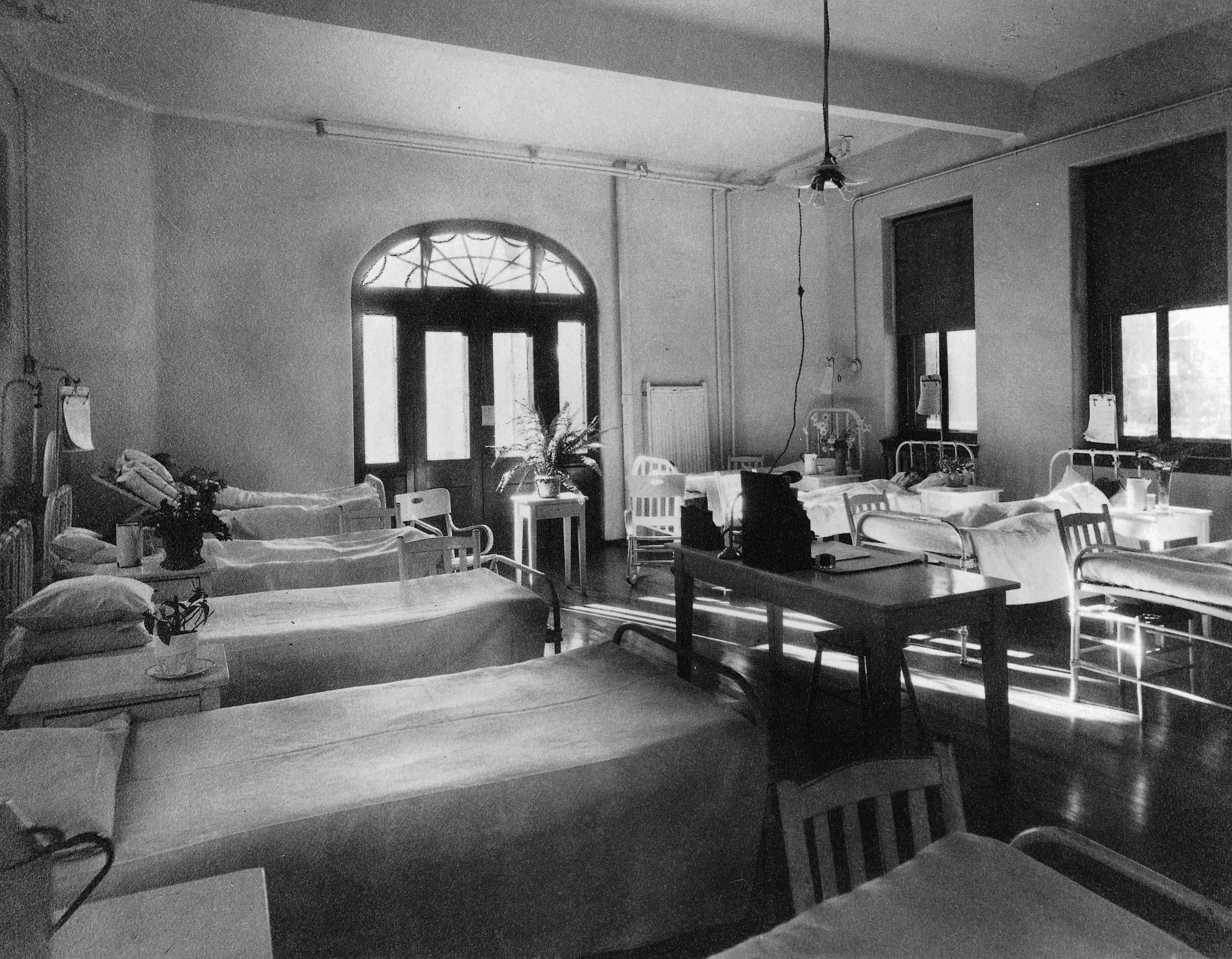
Blackburns. Ward at the Montreal Maternity Hospital, Montreal, QC. 1926 1925. Silver salts on paper mounted on card – Gelatin silver Process, 18.4 x 24.6 cm. Photography – Documentary Collection. McCord Archives and Documentation Centre.
O’Brien, Laura. “‘Strengthening Their Hands’: The Committee of Management and the Montreal Maternity Hospital, 1893-1906.” Journal of the Society for the Study of Architecture in Canada / Le Journal de La Société Pour l’étude de l’architecture Au Canada 44, no. 1 (2019): 21–30.
“Strengthening Their Hands”
The Committee of Management and the Montreal Maternity Hospital, 1893-1906
Taylor’s 1903 plan of the Montreal Maternity Hospital indicates that the hospital was supposed to contain thirty teaching beds organized into public and private wards, case rooms, a small operating theatre, and a large hall for teaching. Since this plan was produced two years before construction of the new hospital began, it is unclear how the hospital was eventually organized. However, looking at Taylor’s original plan for the hospital along with photographs of the hospital and descriptions from the archive sheds some light on the layout of the new hospital.
According to the Minute Book, there were two main public wards, eight private wards, and “separation” wards for women who were thought to be contagious. A photo album from 1925 (the last year that Taylor’s MMH was in use) shows a sun-filled and tidy private ward, which showcases a thriving fern (pictured above); and a sterile, streamlined delivery room for private patients, where the covered radiators and mirror-like glass surfaces promise a sanitary and safe childbirth. In terms of site, design, material, and spatial organization, the new hospital clearly signified a departure from the charitable origins of the MMH.
Artful Vandals
Master’s Thesis, supervisor Cynthia Imogen Hammond, 2016
My thesis proposed a comparative analysis between contemporary, feminist street art and second-wave women artists who placed themselves in urban space. I argued that street artist MissMe, through her wheatpastes (a technique whereby street artists combine water and flour to form an adhesive to “paste up” artworks printed on paper or newsprint,) transformed urban space into feminist place. A secondary, yet equally important aim of my research was to establish continuity and debt between this contemporary street art practice and feminist urban interventions of the 1970s.
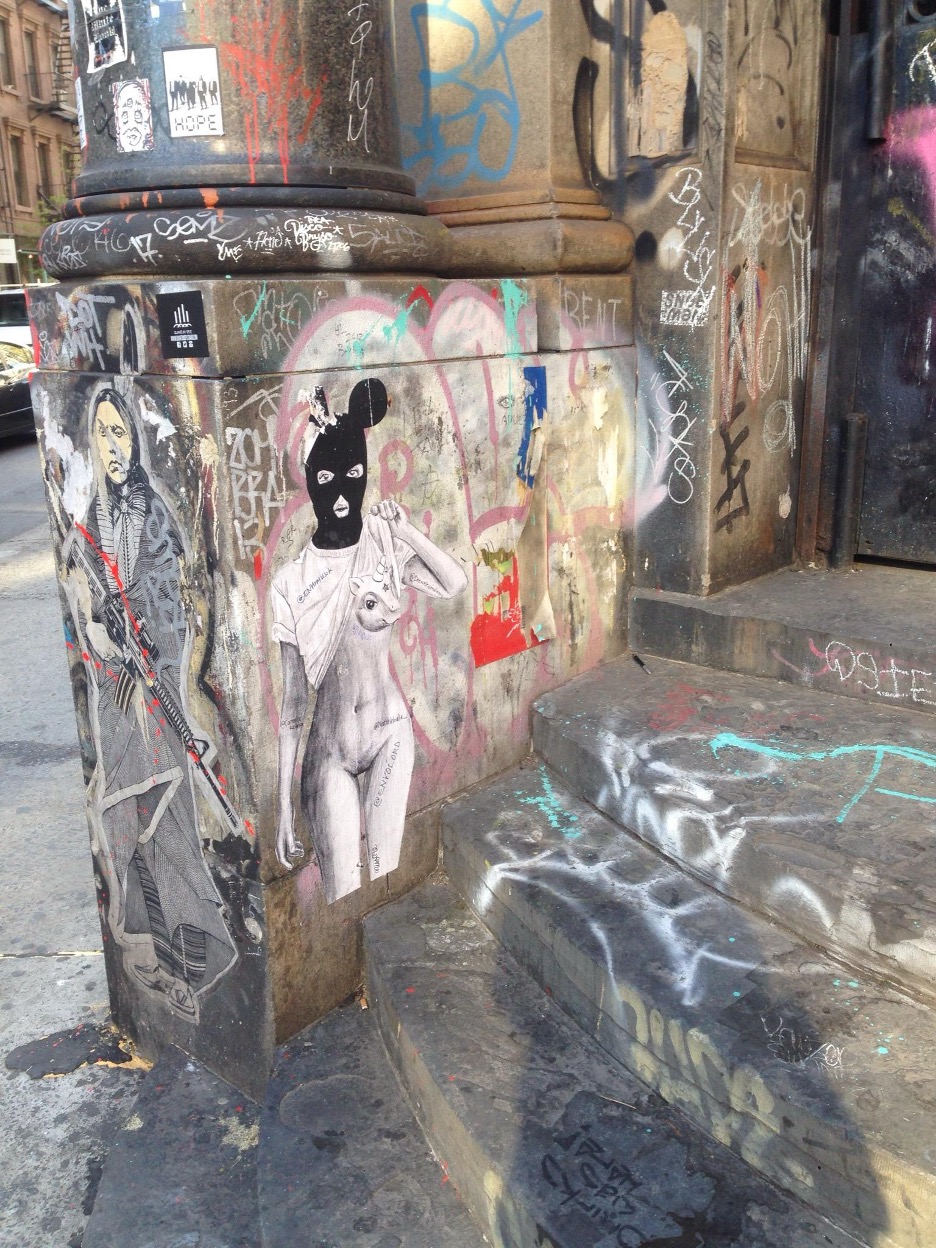
MissMe at Bowery and Spring Streets, New York City. 2016. Photo by Laura Josephine O’Brien.
O’Brien, Laura Josephine. “‘Artful Vandals’: Urban Interventions, Street Art and Spatial Feminisms.” Master of Arts, Department of History, 2016.
“Artful Vandals”: Urban Interventions, Street Art and Spatial Feminisms
This thesis provides an analysis of Montréal-based artist MissMe’s series of wheat-pastes, Vandals (2014 -) in relation to spatial theory, feminist theory, and feminist geography. I argue that through feminist imagery and spatial occupation of sites around Montréal’s Plateau Mont-Royal and Mile End neighbourhoods, MissMe’s Vandals ephemerally transform inherently patriarchal built space and highlight how the gendered body influences one’s experience of the city. Through examples of site-specific urban interventions by feminist artists, the groupe Mauve, Suzanne Lacy and Valie Export, I establish continuity and explore the debt between contemporary feminist street art, and second-wave feminist art that takes place in the city.
Mauve, Lacy, Export instrumentalized the built environment to broadcast feminist messages. Further, they used their female bodies in the built environment to refute the supposed gender neutrality of the city. In this way, these second-wave feminist artists ephemerally transformed their strategically chosen places into feminist spaces. Continuing the radical exploration established by second-wave feminist artists, MissMe’s Vandals materially occupy locations in Montréal. Through analyzing the visual tactics specific to the Vandal, and considering the socio-spatial specificity of these characters within the Plateau Mont-Royal and Mile End districts, I argue that the Vandal emerges as symbols of resistance within the built environment, temporarily transforming patriarchal place into feminist space.
Light At The Museum
Article – Architecture Concordia Journal, 2016
I was the editor-in-chief for and a contributor to this issue of AC2, the second publication of Architecture Concordia, a student group in the Art History department at Concordia University interested in the history, design, and theorization of the built environment. I also co-directed the group with Braden Scott and Zoë Wonfor.

Article — photographs by Matthew Kroger Diamond, copyediting by Tom Collins, Writing and final edit by me Publication — design by Zoë Wonfor, copyedits by Vivian Patel, Tom Collins, and Wil Canel
Special thanks to the Concordia Art History department and the group’s faculty mentor, Cynthia Imogen Hammond
 Laura Josephine O'Brien